
Nigeria's real estate development sector remains fragmented, with no single developer commanding decisive market share.
Fortren & Company has profiled Nigeria's leading real estate developers, spanning middle-income to luxury residential and large-scale mixed-use development. This article ranks Nigeria's top 10 developers by scale of delivery, examining each company's sector focus, flagship projects and track record.
The ranking reflects developers most active and established by completed portfolio, market presence and organisational maturity. Four developers, Landmark Africa Group, Palton Morgan Holdings, Chagoury Group and Cadwell Limited, round out the list on the strength of regional significance and pipeline scale, alongside more modest disclosed completed-unit counts. The sector's fragmentation points to both the scale of opportunity available and the early stage of consolidation across Nigeria's development landscape.
Collectively, the ten developers profiled are responsible for tens of thousands of completed residential, mixed-use and large-scale urban development units across Lagos, Abuja and other major cities.
- Mixta Nigeria
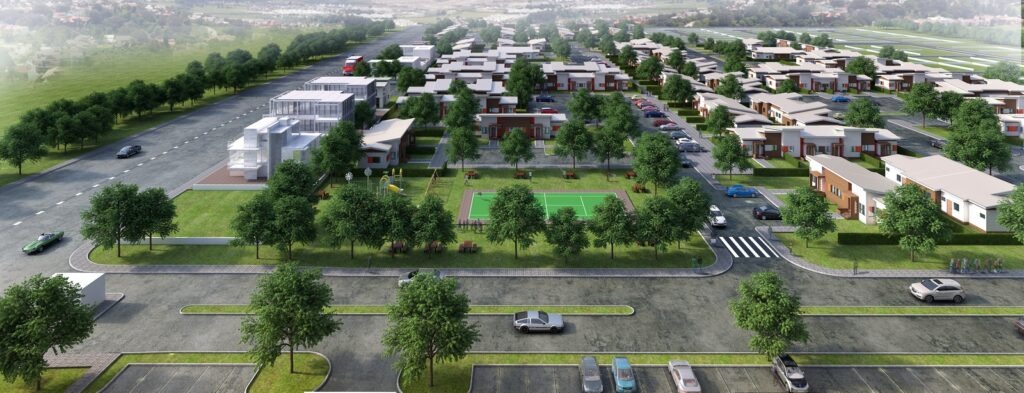
Mixta Africa is Nigeria's largest developer by disclosed completed units, with a portfolio of 23,000 completed homes across 9 projects. Its philosophy centres on delivering affordable and mid-income residential housing at scale, targeting Nigeria's underserved mass housing market. Incorporated in 2005, its flagship developments include Lakowe Lakes Golf and Country Estate, Beechwood Park Estate, and Emotan Gardens, with Deji Alli serving as CEO.
Flagship Projects:
Mixta Nigeria's flagship portfolio centres on three developments: Lakowe Lakes Golf and Country Estate, a 3.08 million sqm scheme in Ibeju-Lekki, Lagos; Beechwood Park Estate, a 170,000 sqm development also in Ibeju-Lekki; and Emotan Gardens, a 700,000 sqm project in Benin City, Edo State.
- Brains and Hammers Limited
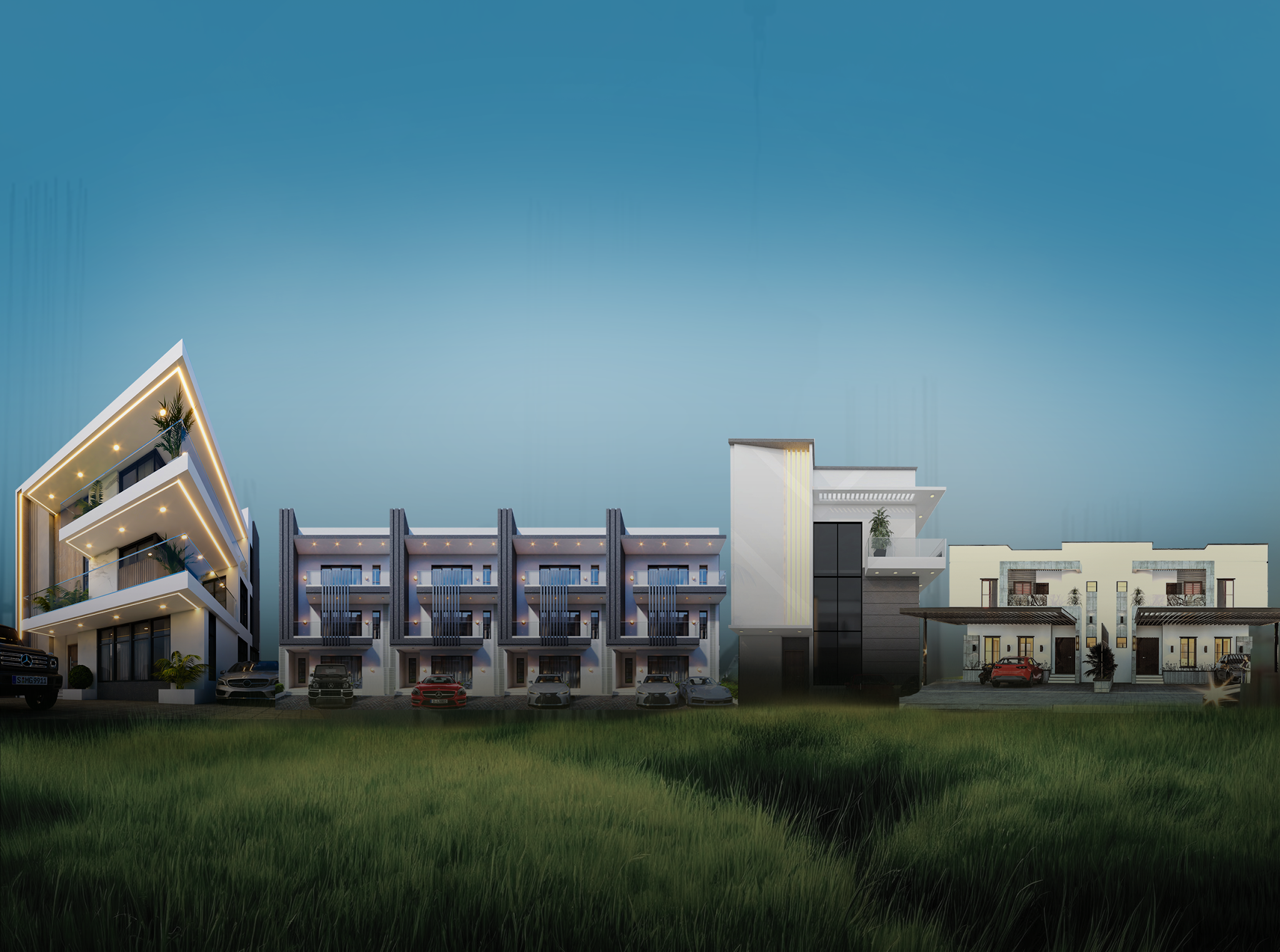
Brains and Hammers is one of Abuja's most prolific residential developers, with 11,000 completed units across 24 projects, the highest project count among Nigerian developers tracked. Its philosophy is centred on consistent, repeatable delivery of mid-to-upper residential housing across Abuja's satellite towns. Incorporated in 2006, its biggest developments include Brains & Hammers City in Life Camp, Abuja, alongside Bungalow City and Jubilee Estate, with Funsho Lawal serving as Managing Director.
Flagship Projects:
Brains and Hammers Limited's flagship developments span three locations: Brains & Hammers City in Life Camp, FCT Abuja, covering 1,070,000 sqm; Bungalow City in Kubwa, Abuja, the largest at 5,000,000 sqm; and Jubilee Estate in Iganmu, Lagos, at 140,000 sqm.
- Palton Morgan Holdings
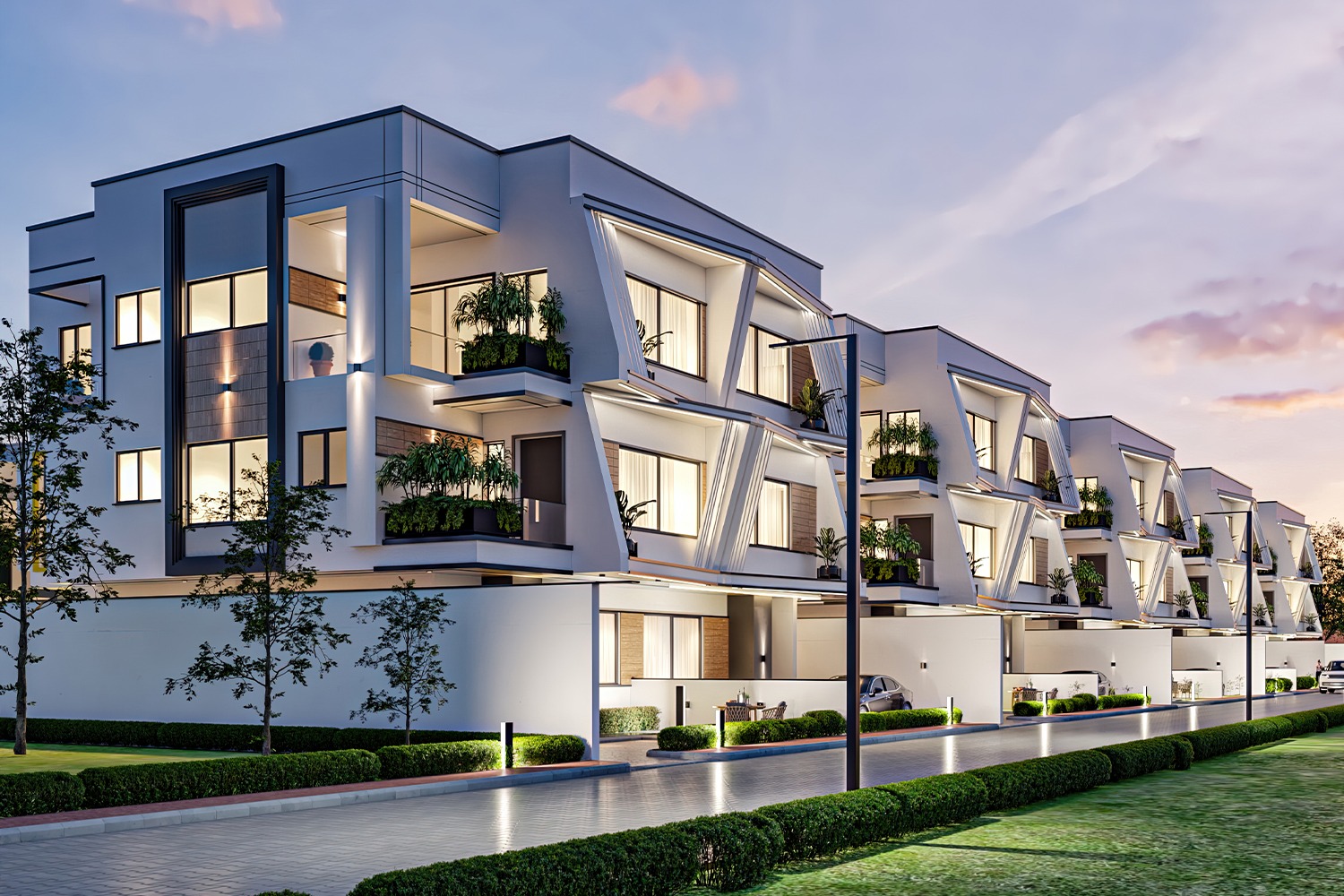
Palton Morgan Holdings focuses on luxury residential development in Lagos, with 7,000 completed units reflecting a strategy of scaling premium products rather than staying niche. Its philosophy is built around delivering high-end, design-led residential towers for Nigeria's upper-income and diaspora buyers. Incorporated in 2014, its flagship projects include Paramount Twin Towers, Skyvilla, and L5 Banana, led by Mumtaz Zaidi as Group Commercial Director.
Flagship Projects:
Palton Morgan Holdings' flagship portfolio comprises Paramount Twin Towers in Oniru, Lagos, at 6,300 sqm; Skyvilla in Ikoyi, Lagos, at 2,500 sqm; and L5 Banana on Banana Island, Lagos, at 5,000 sqm.
- Foreshore Waters Limited
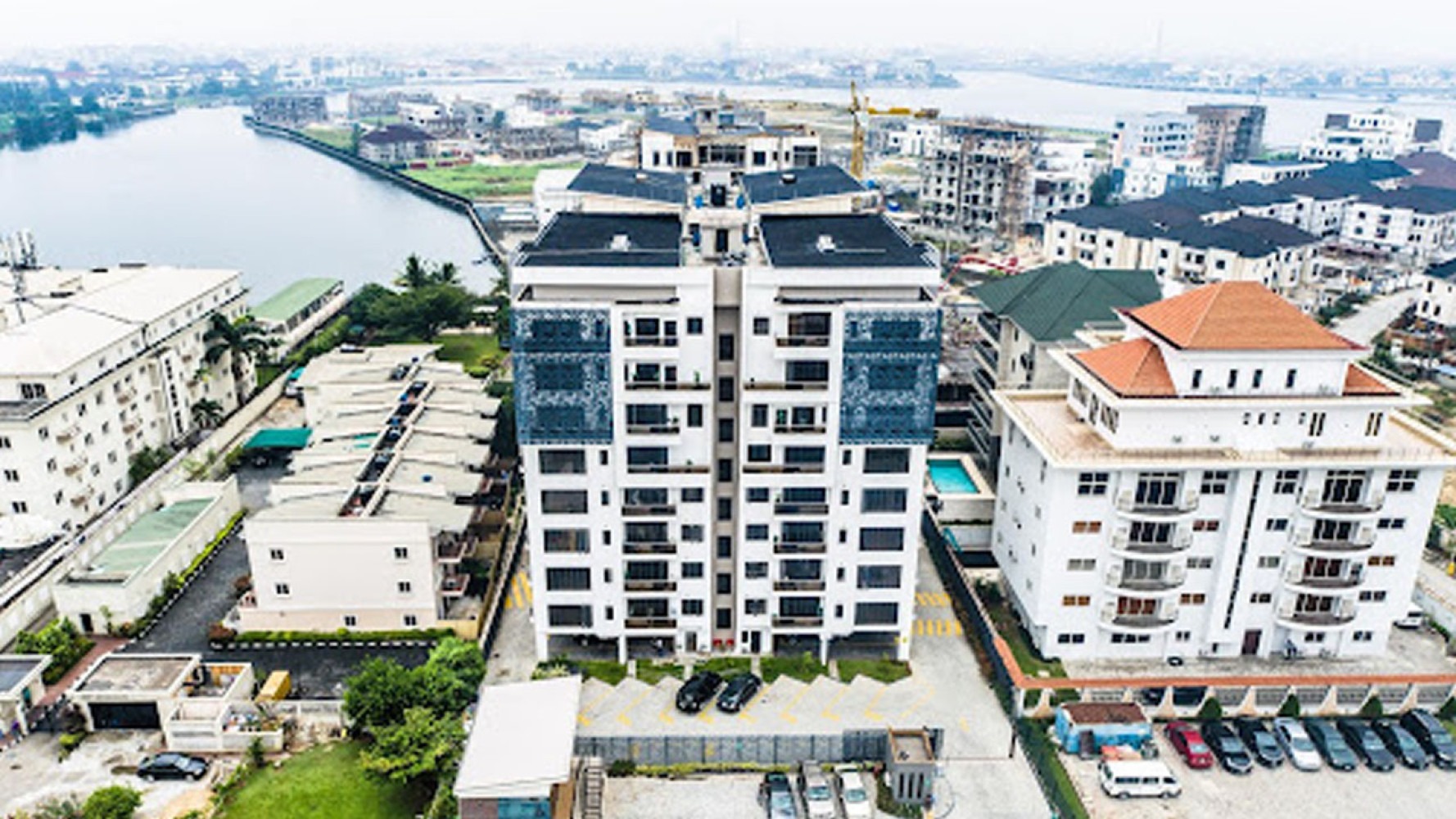
Foreshore Waters is a waterfront and luxury residential specialist with 3,000 completed units across 4 projects. Its philosophy centres on capitalising on Lagos's waterfront geography to deliver premium residential products with scarce locational value. Incorporated in 2016, its notable developments include Riverside Apartments, Signatoria, and Insignia, with Richard Nyong serving as CEO.
Flagship Projects:
Foreshore Waters Limited's flagship projects, Riverside Apartments on Banana Island Road, Ikoyi; Signatoria on Osborne Foreshore, Ikoyi; and Insignia in Ikoyi, Lagos, have undisclosed sizes.
- Landwey Investment
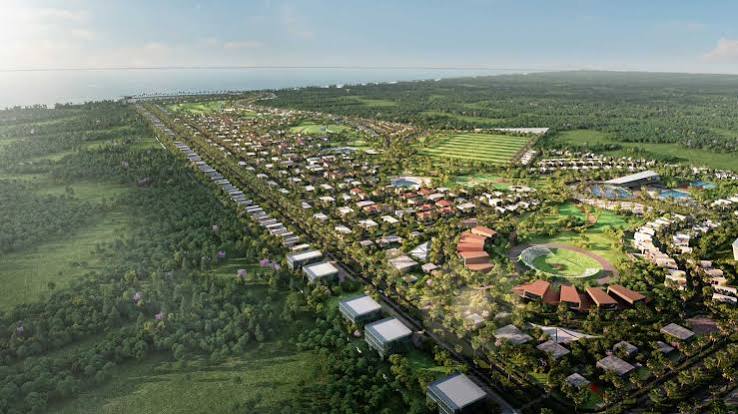
Landwey Investment is a fast-growing residential developer with 1,000 completed units. Its philosophy is centred on accessible, well-located residential real estate for Nigeria's growing middle class. Incorporated in 2016, its flagship projects include Isimi Lagos, the Urban Prime Series, and Woodlands, founded by Olawale Ayilara.
Flagship Projects:
Landwey Investment's flagship developments include Isimi Lagos on the Ikorodu-Epe Road, covering 2,000,000 sqm; the Urban Prime Series in Ajah, Lekki, at approximately 400,000 sqm; and Woodlands in Ibeju-Lekki, Lagos, with size undisclosed.
- Arkland
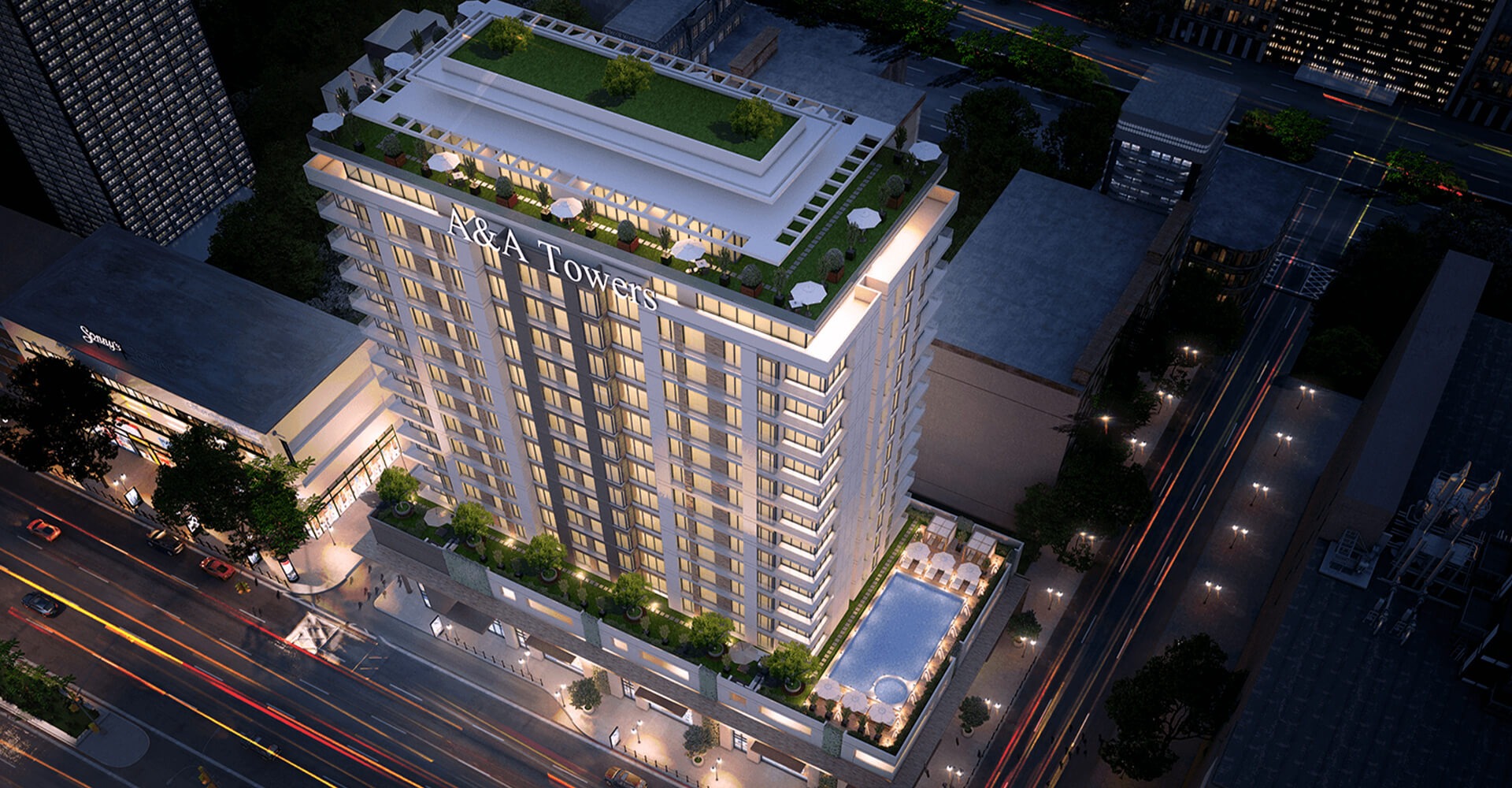
Arkland focuses on affordable and mid-income housing, with 300 completed units concentrated in Eko Atlantic City. Its philosophy is centred on delivering accessible vertical housing within Lagos's most prestigious new-land developments. Incorporated in 2008, its flagship projects include A&A Tower, Phoenix Tower, and Bijou Tower, with Jide Olumodimu serving as CEO/Founder.
Flagship Projects:
Arkland's flagship projects are concentrated in Lagos's high-density corridors: A&A Tower in Victoria Island, at 120,000 sqm; Phoenix Tower, also in Victoria Island, at 3,442 sqm; and Bijou Tower on Banana Island, Ikoyi, at 3,900 sqm.
- Cadwell Limited
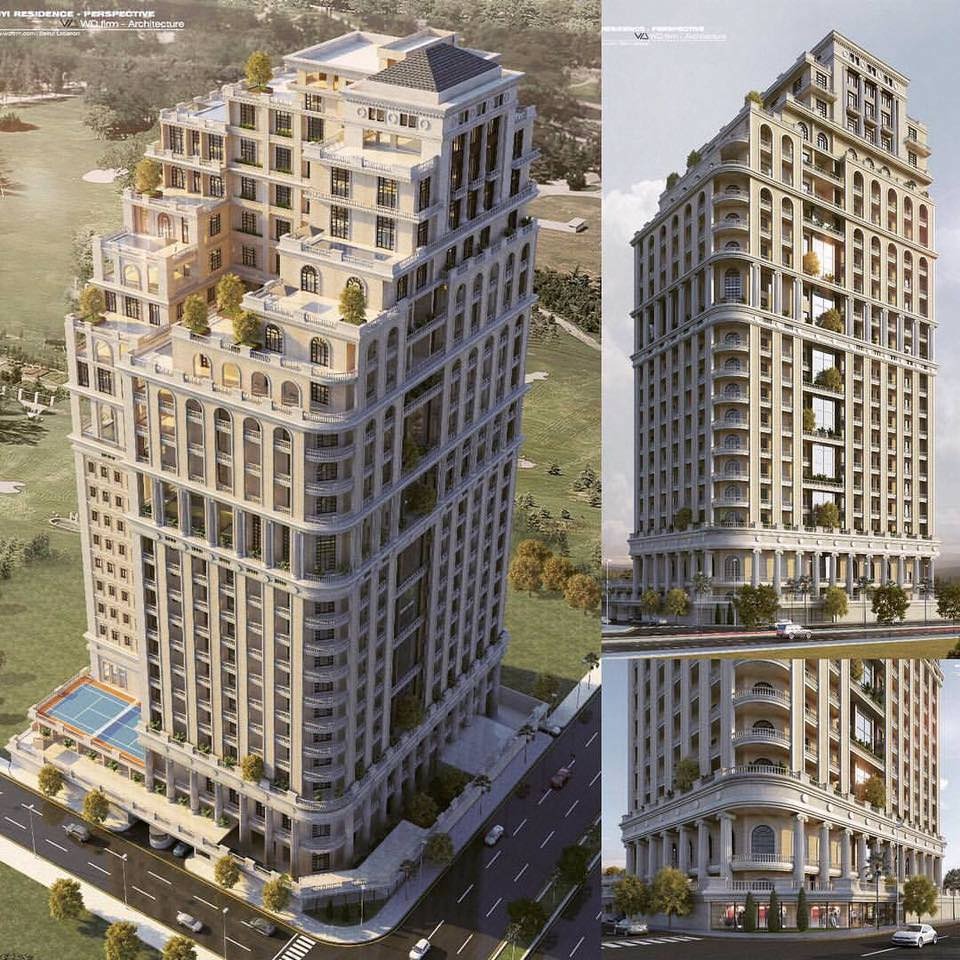
Cadwell Limited is a boutique luxury residential developer with 76 completed units across 10 projects, reflecting a strategy of small-footprint, high-value developments rather than volume delivery. Its philosophy centres on curated, design-forward luxury living. Incorporated in 2001, its notable projects include Cuddle by Cadwell, The Sphere, and Donum/Miserere, with Nekpen Emokpae serving as General Manager.
Flagship Projects:
Cadwell Limited's notable projects, Cuddle by Cadwell, The Sphere, and Donum/Miserere, reflect its boutique, design-forward positioning in Ikoyi, Lagos, with location and size detail not publicly disclosed at project level.
- UPDC Plc
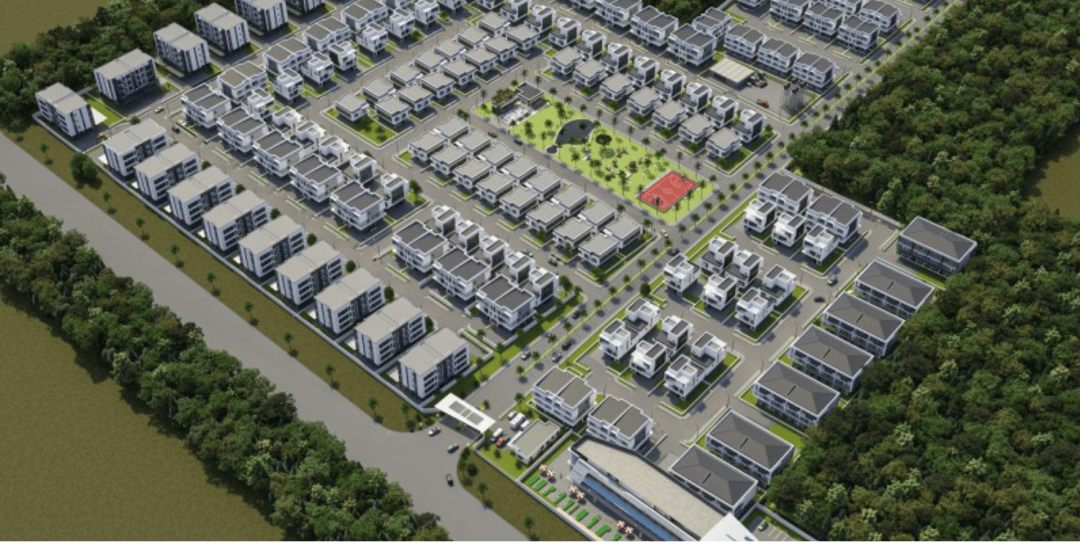
UPDC Plc is one of Nigeria’s established real estate developers, with a portfolio of 1,000 disclosed completed units. Its philosophy centres on mixed-use real estate development, delivering residential, commercial, and integrated property solutions across Nigeria. Incorporated in 1997, its flagship developments include The Hampshire, Pinnock Beach Estate, and Brompton City, with Odunayo Ojo serving as CEO.
Flagship Projects:
UPDC Plc's flagship developments are all sited in Lekki, Lagos: The Hampshire, at 50,000 sqm; Pinnock Beach Estate, at 150,000 sqm; and Brompton City, at 300,000 sqm.
- Chagoury Group
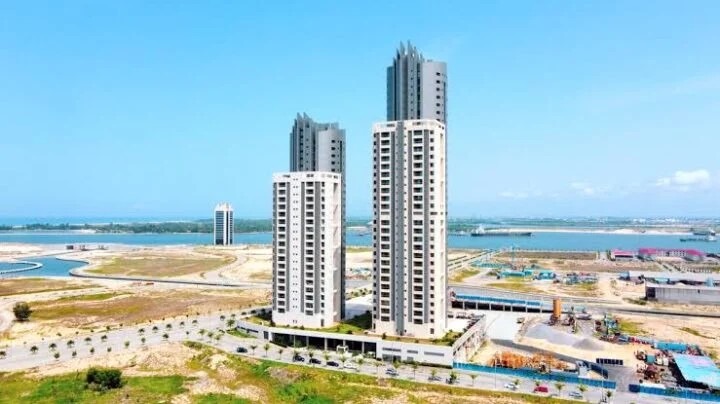
Chagoury Group is the developer behind Eko Atlantic City, one of Africa's most ambitious large-scale urban land reclamation and mixed-use development projects. Its philosophy is centred on transformative, city-scale urban development rather than conventional residential delivery, which explains its comparatively modest disclosed unit count of 560 across 3 projects. Incorporated in 1971, making it the oldest developer on this list, its flagship projects include Eko Atlantic City, the Lagos-Calabar Coastal Highway, and Eko Hotels and Suites, with Christopher Chagoury serving as Director.
Flagship Projects:
Chagoury Group's flagship projects include Eko Atlantic City in Victoria Island, Lagos, a 10,000,000 sqm land reclamation scheme; Eko Pearl Towers within Eko Atlantic City, at 22,738 sqm; and Eko Hotels and Suites in Victoria Island, with size undisclosed.
- Landmark Africa Group
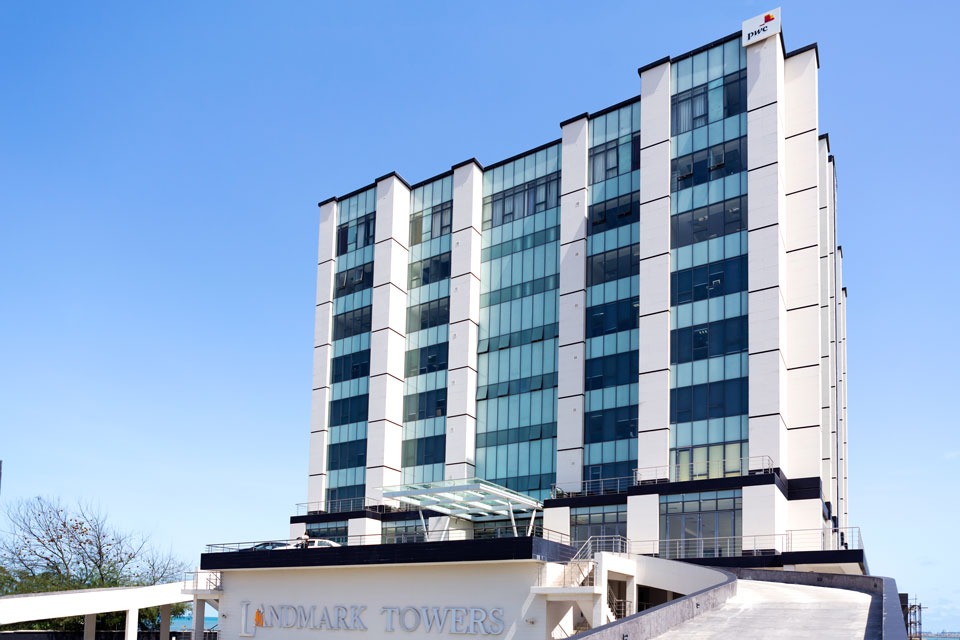
Landmark Africa Group specializes in mixed-use and commercial real estate, with a portfolio spanning Lagos and Enugu. The company focuses on developing experiential, hospitality-led destinations rather than conventional residential properties. It has five completed projects, although the number of completed residential units has not been publicly disclosed. Incorporated in 1997, its notable developments include Landmark Village in Lagos, Landmark Nike Lake Resort in Enugu, and the Port Harcourt Tourist Beach Redevelopment. The company is led by Paul Onwuanibe as CEO.
Flagship Projects:
Landmark Africa Group's flagship developments span Lagos, Enugu, and Rivers State: Landmark Village in Victoria Island, Lagos, at 38,000 sqm; Landmark Nike Lake Resort in Enugu, at 1,500,000 sqm; and the Port Harcourt Tourist Beach Redevelopment in Port Harcourt, Rivers State, at 50,000 sqm.
Outlook and Recommendation
Nigeria's real estate development sector is in a period of consolidation. Developers that successfully scale affordable and mid-income housing delivery, while maintaining disciplined execution and transparent reporting, are best positioned to grow their footprint and attract capital as the sector matures. Lagos and Abuja remain the dominant hubs of development activity, with growing interest in waterfront, mixed-use, and satellite-town developments as urban land becomes scarcer in city centres.
Overall, buyers and investors are likely to find the strongest long-term opportunities in affordable and mid-income housing platforms with proven delivery track records, given Nigeria's acute housing deficit and rapidly urbanising population. However, those segments are much harder to crack due to rising inflation and construction costs.
We love your feedback. Let us know what you think about the real estate market in Africa by sending an email to advisory@fortrenandcompany.com. You can also join the conversation here on LinkedIn.
If you need bespoke research on any asset real estate class across the continent, send an email to our advisory team at advisory@fortrenandcompany.com.
%20(1).jpg)
.jpg)
