
Africa’s logistics and industrial real estate sector is becoming an increasingly important component of the continent’s economic infrastructure. Driven by e-commerce expansion, growing local manufacturing and government incentives, the demand for purpose-built institutional-grade warehouses and storage continues to outpace supply. As manufacturers, retailers, logistics companies and multinational occupiers demand more efficient supply-chain infrastructure across Africa, the market is shifting from informal warehouses and fragmented industrial estates towards modern logistics parks, distribution centres, free zones and integrated industrial zones.
Major developments such as Tatu City in Kenya, Lekki Free Zone in Nigeria, the Suez Canal Economic Zone (SCZONE) in Egypt, Namanve Industrial Park in Uganda and Lusaka’s Multi-Facility Economic Zones in Zambia exemplify this transition. The opportunities are particularly concentrated around major ports, airports, highways and urban consumption centres, where connectivity and access to large markets underpin occupier demand. As of 2025, prime industrial rents across key African markets ranged from approximately US$3–7 per sqm per month, while yields stood at 5%–13%, according to Knight Frank.
.jpg)
Over the past few years, a number of institutional developers have been actively investing in providing the storage infrastructure that is powering the industrial expansion across key African cities. In this article, we will be discussing the top 7 developers/players that stand out based on their scale, specialist exposure, development pipeline, geographic footprint and strategic importance to Africa’s industrial and logistics infrastructure.
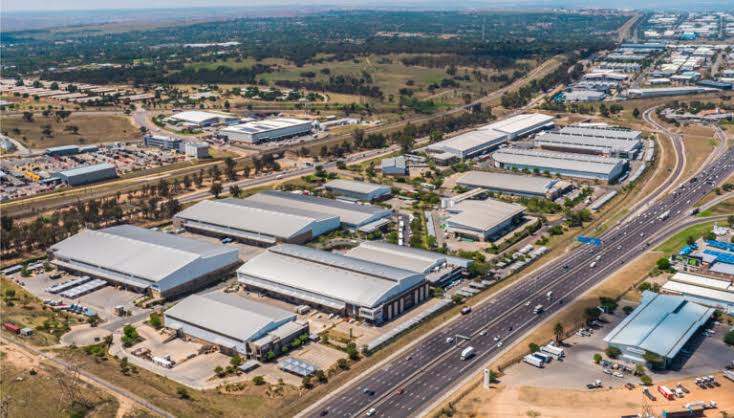
Improvon Group
Improvon is a specialist real estate investment and development company established in 1995, focused on A-grade warehousing, distribution and logistics facilities across sub-Saharan Africa. The company has developed and tenanted more than 1.2 million sqm of logistics property over its operating history and provides an integrated turnkey model spanning development, construction, leasing, asset and property management. Its current footprint includes South Africa, Kenya and Zambia, with notable developments including Nairobi Gate Industrial Park, Dakota Precinct and York Commercial Park in Lusaka. Actis became an investor in Improvon in 2017, supporting its expansion across Africa’s key logistics and warehousing hubs.
Featured Project: N1 Business Park
Location: Johannesburg, South Africa
Size: 110,000 sqm
Agility Logistics Parks
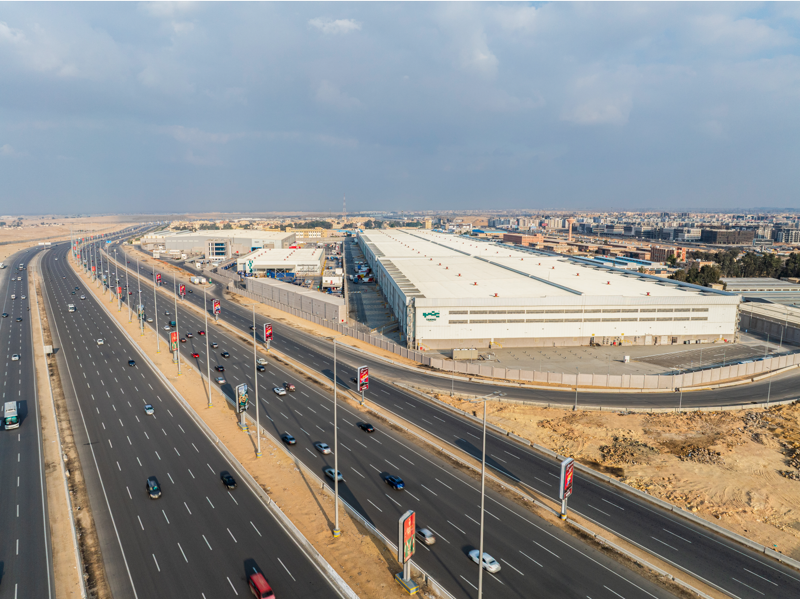
Agility Logistics Parks (ALP) is one of the largest private developers and operators of industrial real estate across the Middle East, Africa and South Asia, specialising in modern warehousing and light-industrial parks. Its African platform has acquired more than 1.5 million sqm of land for warehouse-park development and currently operates in Ghana, Côte d’Ivoire, Mozambique and Egypt, with Nigeria in the pipeline. The company is targeting a wider pan-African network spanning markets including Morocco, Kenya, Tanzania, Angola, the DRC and Ethiopia. Its strategy is centred on long-term ownership and expansion of logistics parks serving manufacturers, distributors and multinational occupiers.
Featured Project: YANMU Logistics Parks
Location: Cairo, Egypt
Size: 270,000 sqm
Africa Logistics Properties (ALP)
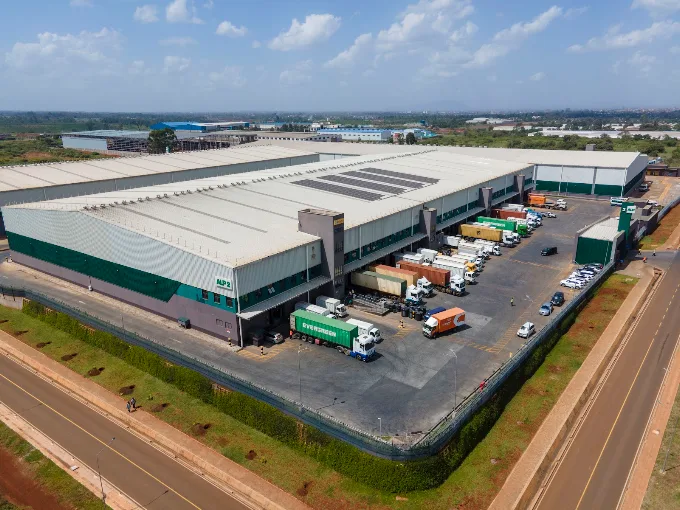
Africa Logistics Properties is a specialist developer and investor focused on institutional-grade logistics and industrial real estate in East Africa. Established in 2016, ALP has developed approximately 70,000 sqm of modern warehouse space across two flagship facilities in Kenya: the 50,000 sqm ALP North at Tatu City and the 20,000 sqm ALP West at Tilisi. Its facilities are designed to international standards and serve manufacturers, distributors and logistics operators. In 2026, ALP further strengthened its institutional profile by listing its USD-denominated Industrial REIT on the NSE, providing investors with direct exposure to East Africa’s logistics property market.
Featured Project: ALP North
Location: Kiambu, Kenya
Size: 50,000 sqm
Fortress REIT
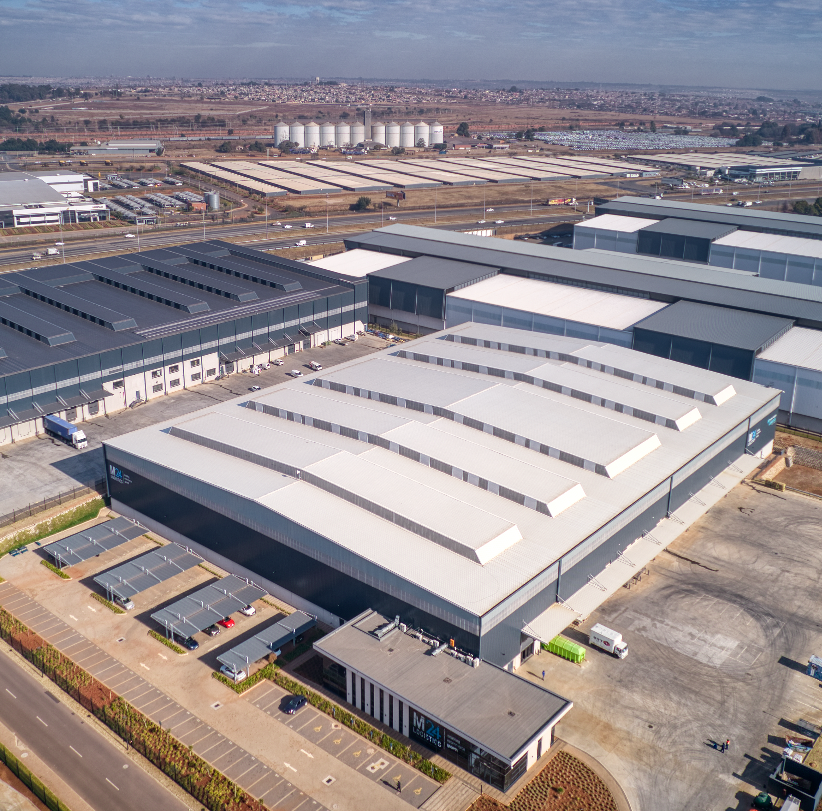
Fortress is one of the largest logistics and industrial players on the continent. It is a South African-listed real estate investment company with a strong focus on logistics and retail property. Its logistics portfolio spans South Africa and Central and Eastern Europe, with 97 logistics assets and approximately 2.9 million sqm of total portfolio GLA as of FY:2025. Its logistics properties were valued at R21.1 billion, and key developments include Eastport Logistics Park near OR Tambo International Airport and Clairwood Logistics Park in Durban.
Featured Project: Eastport Logistics Park
Location: Gauteng, South Africa
Size: 500,000 sqm
Equities Property Fund
As earlier highlighted in our Top Listed Real Estate Companies article, Equities Fund is a South African-based REIT listed on the JSE and specializes exclusively in prime logistics and industrial property, with portfolios in South Africa and the United Kingdom. It comprises over 50 properties worth USD 1.7 Bn as of FY:2025 and approximately 1.6 million sqm of GLA, making it among the biggest industrial and logistics players on the continent, with Centurion I-A in Gauteng as its biggest property currently.
Featured Project: Eastport Logistics Park
Location: Gauteng, South Africa
Size: 178,231 sqm
Edge Certified

Arise Integrated Industrial Platforms (Arise IIP)
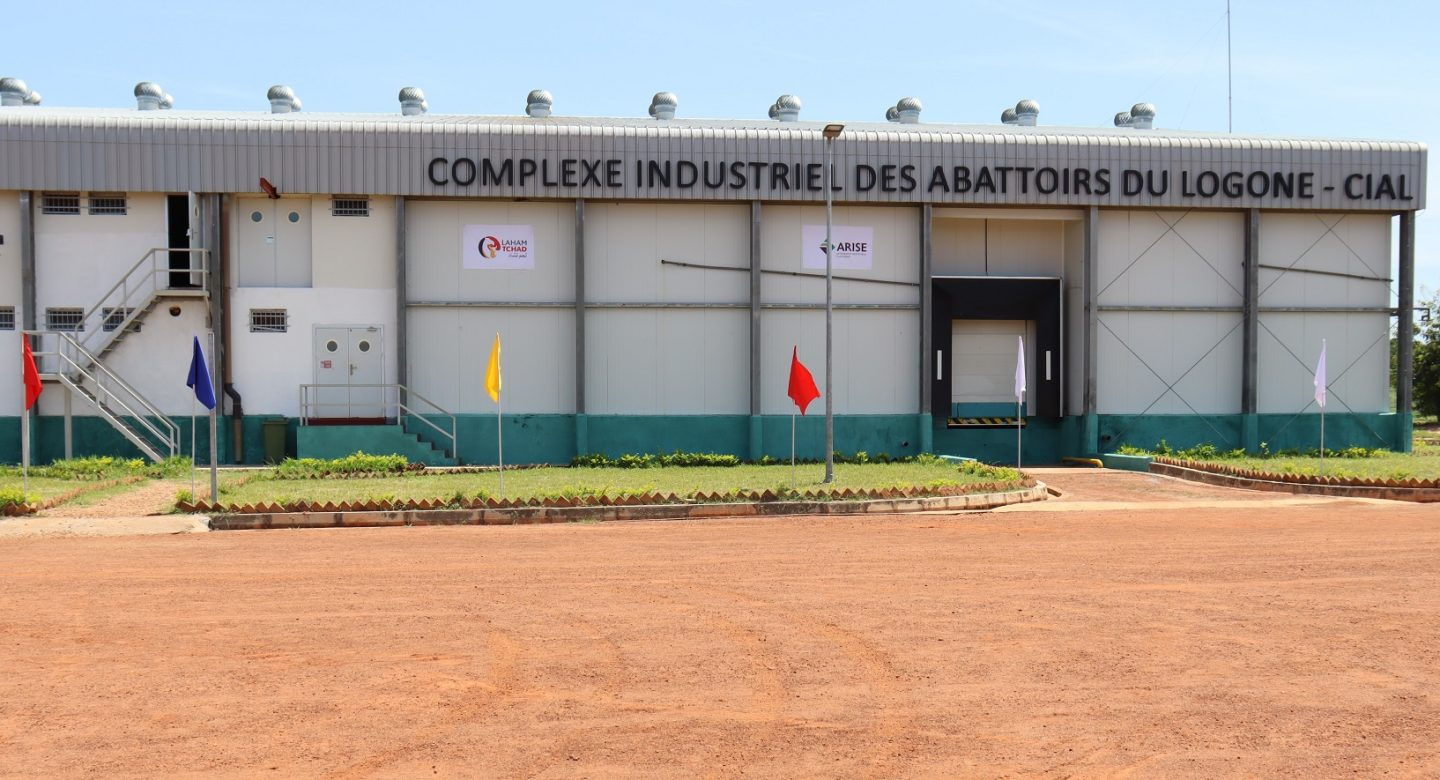
Arise IIP is a pan-African developer focused on creating integrated industrial ecosystems that combine industrial zones, logistics infrastructure, utilities and manufacturing facilities. Its platform currently spans 15 African countries and 24 industrial zones, making it one of the continent’s largest industrial development platforms by geographic reach. Its developments include the Glo-Djigbé Industrial Zone in Benin, Adétikopé Industrial Platform in Togo and the Gabon Special Economic Zone. Unlike conventional logistics developers, Arise IIP focuses on attracting manufacturers and enabling local processing and value addition, making it particularly significant to Africa’s broader industrialisation agenda.
Featured Project: Laham Tchad
Location: Chad
Size: TBC
DP World
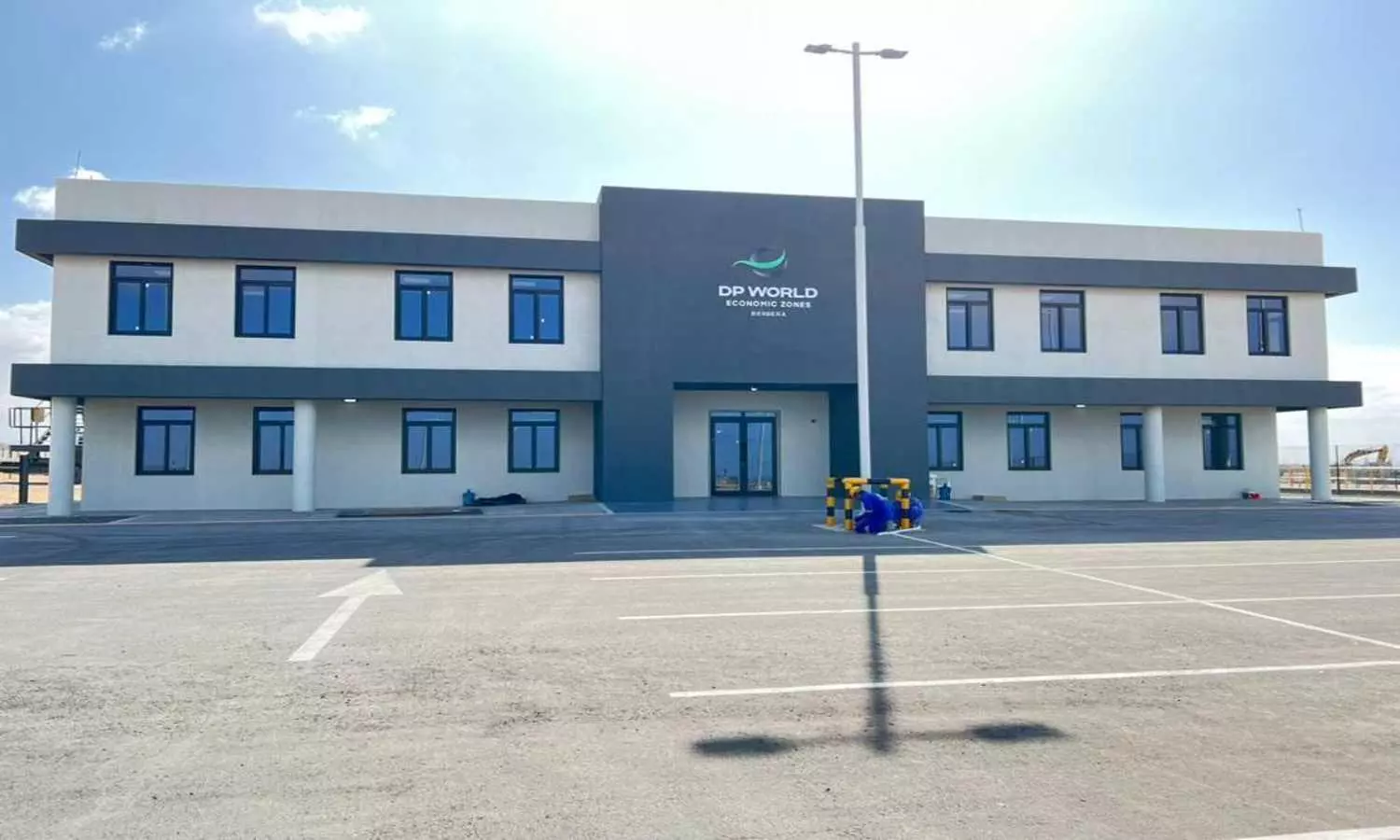
DP World is a global trade and logistics infrastructure company with a major African footprint spanning ports, terminals, inland logistics, economic zones and warehousing. Its African platform was significantly expanded through the 2022 acquisition of Imperial Logistics, giving the group an integrated logistics network across the continent. DP World currently operates across more than 50 African markets, with its logistics and economic-zone platform providing warehouses, serviced industrial land, built-to-suit facilities and distribution infrastructure. Its economic-zone network includes the Sokhna Logistics Park in Egypt, while its broader African logistics network connects major ports and trade corridors to inland markets, positioning it as one of the continent’s most significant integrated logistics infrastructure players.
Berbera Economic Zone
Location: Somaliland
Size: 250,000 sqm
Conclusion
The growth of Africa's logistics and industrial property sector is being driven by factors considerably larger than the real estate market itself. Urbanisation, e-commerce, manufacturing, regional trade and supply-chain localisation are creating structural demand for modern industrial space, and the key aforementioned players demonstrate different approaches to capturing this opportunity.
‘Trade and export-driven growth across key African corridors will continue to drive demand for logistics warehouses’. Said Raghav Gandhi, the CEO of Africa Logistics Properties on Africa's logistics market.
For investors, the most attractive opportunities may not simply be in the largest cities but in strategic locations, and be defined less by the amount of warehouse space delivered and more by the quality of the infrastructure ecosystem surrounding it. Developers that control strategically located land, provide reliable utilities and create integrated logistics networks are likely to capture the greatest share of long-term value. Notably, logistics real estate should increasingly be viewed not merely as a property asset class, but as critical infrastructure underpinning Africa's industrialisation and economic transformation.
We love your feedback. Let us know what you think about the logistics market in Africa by sending an email to advisory@fortrenandcompany.com. You can also join the conversation here on LinkedIn.
If you need bespoke research on any asset real estate class across the continent, send an email to our advisory team at advisory@fortrenandcompany.com.
With just 3,577square meters in land mass, Lagos is home to over 17 million residents, making it one of the most densely populated cities in the world. One of the most pronounced effects of clear overpopulation in overcrowded cities like Lagos is the increase in informal settlements, land grabbing, and illegal construction. Internal data from the Lagos State government shows that more than 349 buildings have been erected illegally and do not comply with the planning laws set out by the state. In response, the Lagos State Building Control Agency (LASBCA) and the Ministry of Physical Planning and Urban Development have intensified enforcement of planning laws to ensure that buildings within Lagos State are designed, constructed, and maintained to a high standard of safety. Their enforcement efforts have led to numerous building demolitions and are primarily targeted at three recurring violations across the state, which we will be discussing below.
- Lack of building development permit:
- sdfds
-
Failure to obtain required development permits remains one of the most common triggers for demolition across Lagos. Under Section 27(1) of the Lagos State Urban and Regional Planning and Development Law, no building is allowed to be erected across the state, except when necessary permits and approvals have been duly sought and obtained. “No person shall carry out any development in Lagos State without obtaining a permit from the relevant planning authority.” Non-compliance with section 27(1) of the Lagos State Urban and Regional Planning and Development Law authorises the state government to demolish any building that has not sought and obtained the necessary approvals. Despite this clear guideline, unauthorised construction continues to proliferate in the state. In a recent enforcement action, 13 illegal buildingswere demolished in Lagos for non-compliance, highlighting the Government’s resolve to clamp down on developments that violate planning regulations. Several factors may explain why some developers bypass the approval process, including a lack of awareness of regulatory requirements, the perceived complexity or delay in obtaining permits, and, in some cases, a calculated risk to evade official fees or oversight. While these issues don’t justify non-compliance, they underscore the need for continued public education, transparency, and reform of the permitting process.
- Encroachment on Drainage Channels and Setbacks:
Building on drainage channels and designated setbacks stands out as one of the leading causes of demolition across Lagos. This issue not only breaches planning regulations but has also contributed to environmental and public safety risks.The Lagos State Building Control Agency(LASBCA) mandates a minimum setback of nine (9) meters for residential buildings in high-density, flood-prone zonessuch as Victoria Island, Apapa, and the Lekki Peninsula Schemes I and II. Despite these regulations, many developers have reclaimed and erected structures directly on waterways, obstructing water flow and increasing the risk of flooding. Recently, the Lagos state government marked 39 buildingsfor demolition in the Eti-Osa Local Government Area (mostly along the Ikota corridor) for obstructing drainage channels and encroaching.Similar actions have been taken in other areas like Amuwo Odofin. These demolitions have left many homeowners devastated. In response, affected owners have petitioned the government through their community associations, while others seek court injunctions to challenge the demolition or delay it pending clarification of their land status. Urban experts, however, emphasise the need for property buyers to secure proper planning permits from the Lagos StatePhysical Planning Permit Authority(LASPPPA) before embarking on any building or development project within the state.In many cases, properties built on canals, drainage channels, or government-designated right-of-way have little to no legal standing, making it difficult for affected owners to obtain compensation or favourable rulings in court. This is because such developments typically contravene established planning laws and are considered public safety hazards. We love your feedback. Let us know what you think about this article or your experience renting in Africa by sending an email toadvisory@fortrenandcompany.com. You can also join the conversation here onLinkedIn.